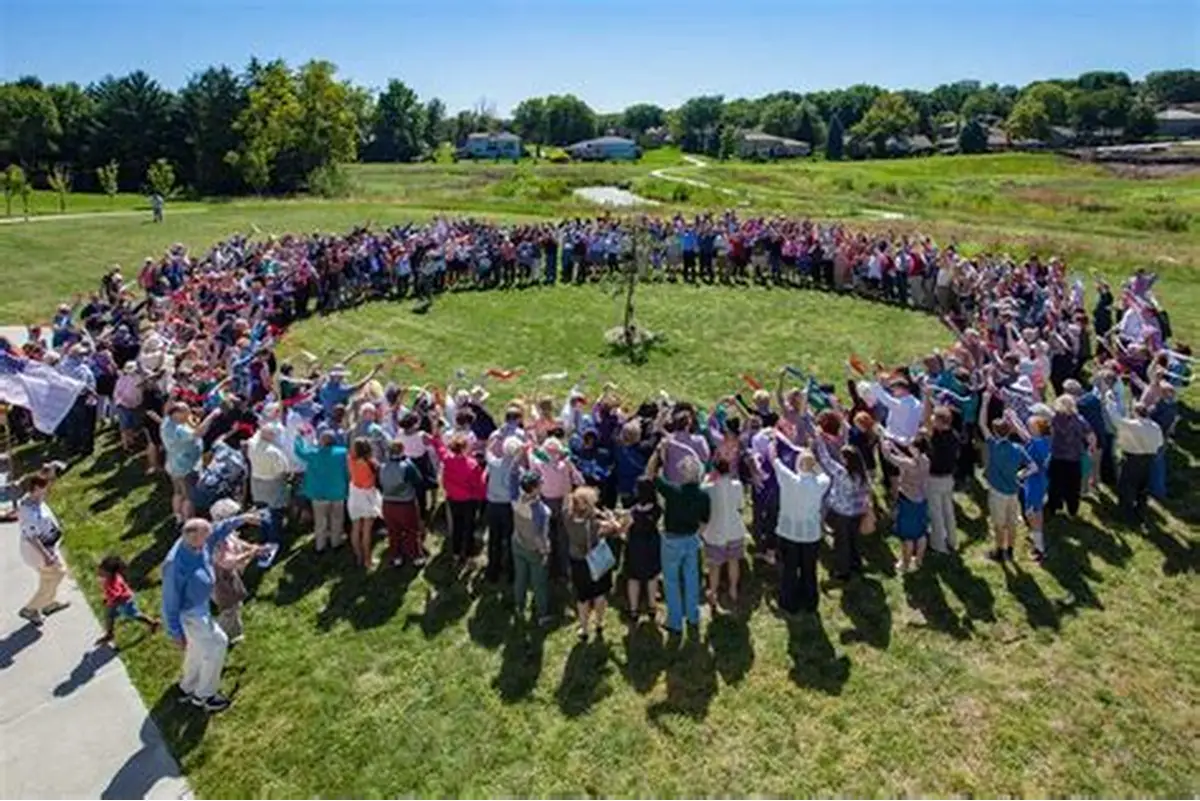
When discussing the success of infrastructure, engineering, mining, and construction projects, the focus often falls on budgets, timelines, technical specifications, and delivery milestones. While these factors remain critical, there is another element that can determine whether a project succeeds or struggles long before the first piece of equipment arrives on site: community engagement.
Infrastructure projects are ultimately built for people. Roads connect communities. Water systems improve public health. Energy projects power homes and businesses. Mining operations create economic opportunities. Yet too often, communities only become involved once construction has already begun, creating uncertainty, frustration, and resistance.
Successful projects understand a simple principle: building trust is just as important as building infrastructure.
Every project takes place within a community that has its own history, priorities, concerns, and expectations. While technical teams may focus on engineering solutions, community members are often asking different questions:
When these questions go unanswered, misinformation can spread quickly, leading to opposition, delays, and strained relationships between project stakeholders and communities.
Early and transparent engagement helps establish trust and provides communities with a platform to understand the project’s objectives, benefits, and potential challenges.
A lack of meaningful community engagement can have significant consequences.
Projects may experience:
In many cases, these issues could have been mitigated through proactive communication and genuine consultation.
Community engagement should never be viewed as a compliance exercise or a box-ticking requirement. It is a strategic investment in the long-term success of a project.
The most successful projects create benefits that extend beyond the infrastructure itself.
Communities are more likely to support developments when they see tangible opportunities, such as:
Creating shared value strengthens relationships and helps ensure that projects contribute positively to the areas in which they operate.
Effective engagement is built on clear, consistent, and honest communication.
Stakeholders should be informed throughout the project lifecycle, from planning and design through construction and completion. Regular updates, public meetings, stakeholder forums, and accessible communication channels help build confidence and demonstrate accountability.
Importantly, engagement is not only about providing information. It is equally about listening.
Communities often possess valuable local knowledge that can improve project outcomes, identify risks early, and contribute to more sustainable solutions.
Project success should not be measured solely by whether construction was completed on time and within budget. The true legacy of a project lies in the value it creates long after completion.
Strong community relationships contribute to:
Projects that invest in meaningful engagement are often better positioned to achieve both their technical objectives and broader development goals.
South Africa’s development ambitions require more than engineering expertise and financial investment. They require collaboration, trust, and a shared vision for progress.
Community engagement provides the foundation upon which successful projects are built. By involving stakeholders early, communicating openly, and creating opportunities for meaningful participation, organisations can transform projects from infrastructure developments into catalysts for lasting positive change.
Before the foundations are poured and the structures begin to rise, one question should always be asked:
Have we taken the time to build trust with the community we aim to serve?